
How Much Do Dental Implants Cost? What Actually Determines the Number
“How much do dental implants cost?” is one of the most common questions people ask before committing to treatment – and one of the hardest to answer with a single figure. The honest answer is that implant cost depends on a long list of variables specific to each case, which is exactly why two people can get very different quotes for what sounds, on the surface, like the same procedure. Understanding what actually drives that number is far more useful than chasing a single price point, and it’s the difference between choosing a clinic based on real value versus choosing one based on a misleadingly low quote.
Mục Lục
Why There’s No Single Answer
Dental implant treatment isn’t a single, standardized product. It’s a multi-stage process, and the cost reflects every stage of it: diagnostic imaging, the surgical placement itself, the materials and implant brand used, any preparatory work like bone grafting, the final crown or restoration, and the follow-up care built into the plan. Two clinics can quote very different numbers for what’s technically labeled “one dental implant” simply because they’re including different combinations of these elements – or using implant systems and materials of very different quality.
This is why comparing quotes purely as numbers on a page is one of the most common mistakes patients make. A meaningful comparison requires understanding exactly what each quote includes, not just what it costs.
The Factors That Actually Drive the Price
The implant system and materials used. Implant brands vary significantly in manufacturing standards, research backing, and long-term track record. Established international implant systems tend to cost more than lesser-known alternatives, but they also tend to come with stronger clinical data and longer warranties – an important trade-off to understand rather than simply comparing sticker prices.
The complexity of your specific case. Someone replacing a single tooth with healthy surrounding bone has a very different treatment plan than someone who needs bone grafting, a sinus lift, or a full-arch restoration. More complex cases require more surgical time, more materials, and often more visits – all of which affect the total cost.
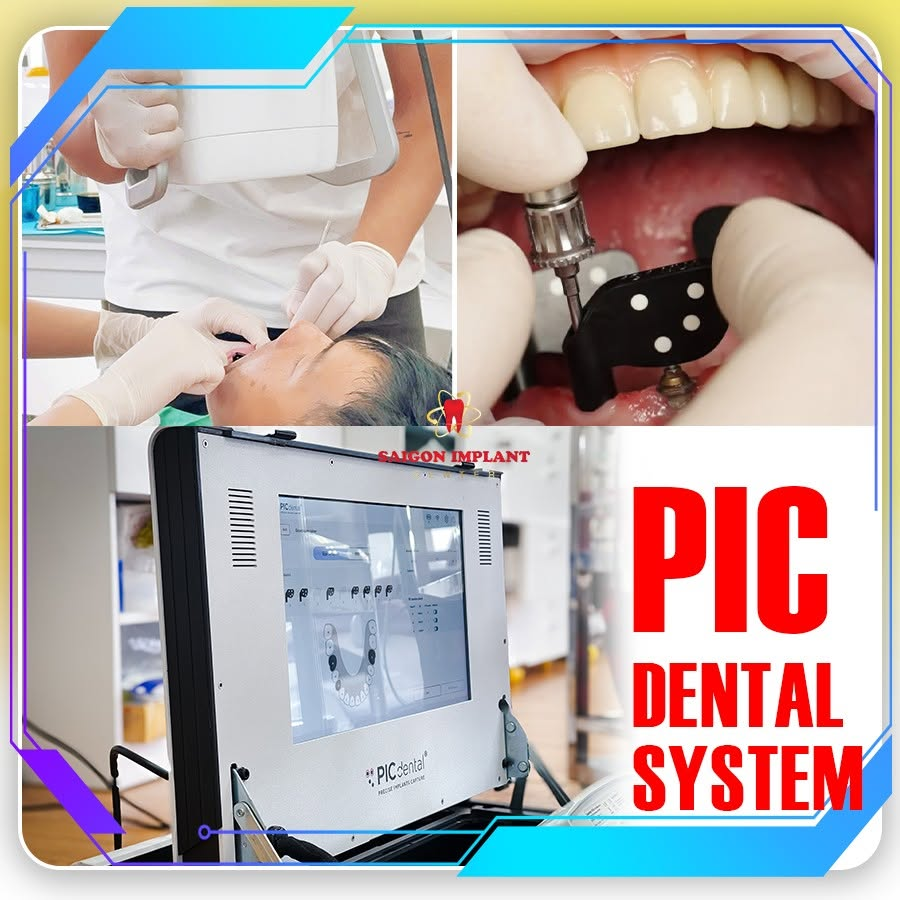
The technology used for diagnosis and planning. Clinics that invest in 3D cone-beam CT imaging and digital treatment planning generally have higher operating costs than those relying on older 2D imaging, but this investment translates directly into more precise, predictable outcomes. This is a case where a somewhat higher cost is often reflecting genuinely better technology, not just a markup.
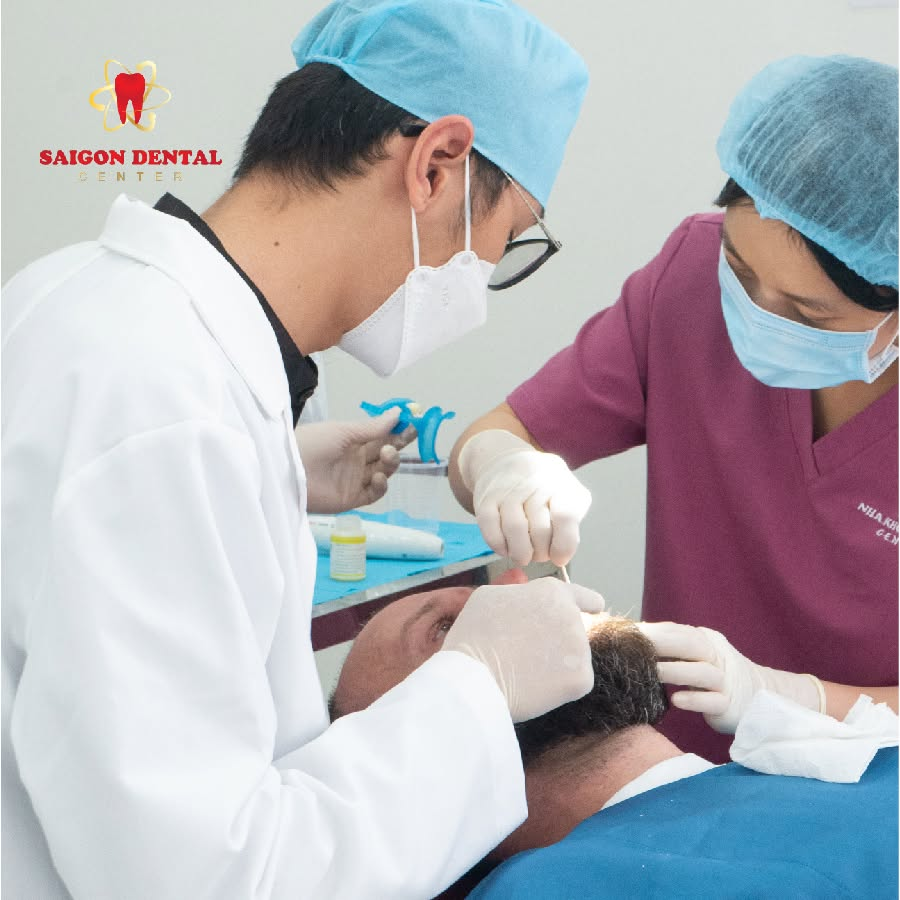
The surgeon’s training and experience. Dentists with dedicated implantology training, particularly those with international certifications, typically factor their expertise into their fees. This is one of the areas where paying for experience is usually a reasonable trade-off, given how much a well-executed surgical placement affects long-term success.
Geographic cost of care. This is where the biggest swings in total cost tend to appear. The same quality of implant system, technology, and surgical expertise can cost dramatically different amounts depending on the country and city where treatment takes place, largely due to differences in clinic overhead, labor costs, and local economic conditions – not differences in clinical standards.
Why Vietnam Has Become Part of This Conversation
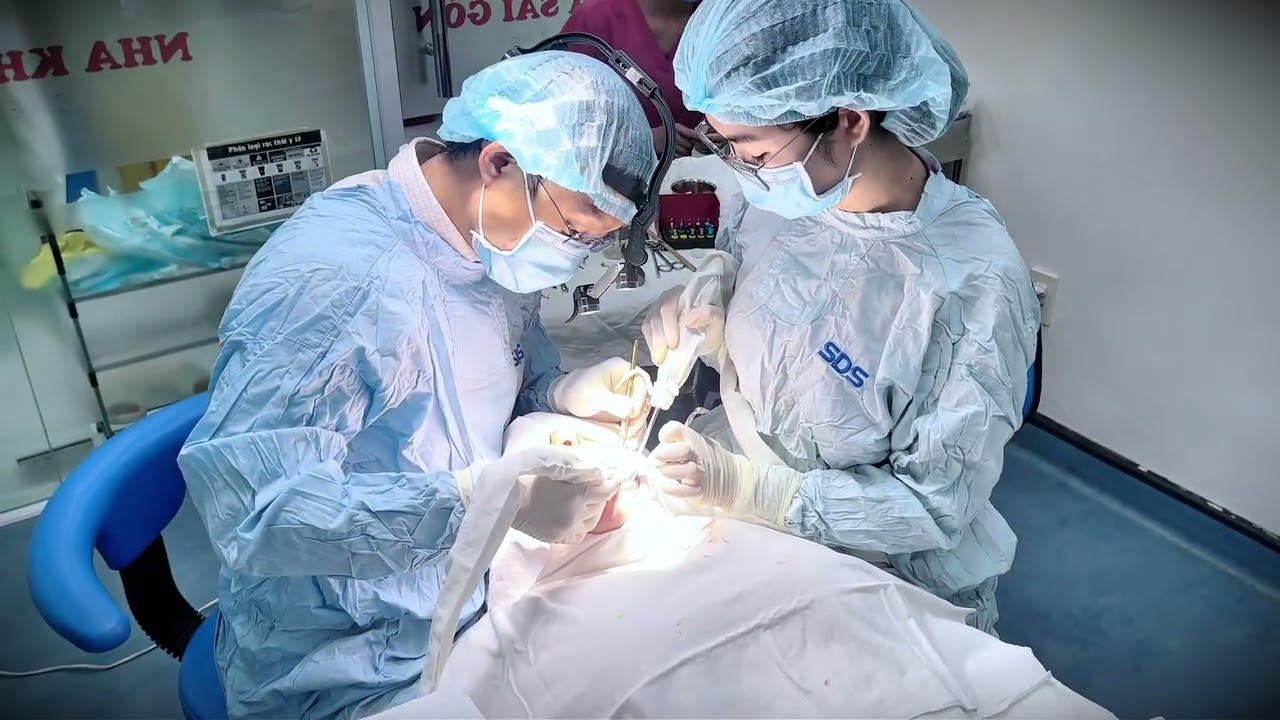
This last factor is a major reason so many patients researching implant costs eventually look toward Vietnam, and Ho Chi Minh City in particular. A growing number of Vietnamese dental specialists have trained internationally – in the United States, Europe, South Korea, and Japan – before returning home to practice, bringing back the same protocols and standards used in far more expensive dental markets.
Combined with lower regional operating costs, this allows clinics in Ho Chi Minh City to offer access to internationally recognized implant systems, modern 3D imaging and digital planning technology, and experienced surgical teams, all within a cost structure shaped by the local economy rather than by Western clinic overhead. The clinical quality doesn’t have to be compromised for the savings to exist – the savings largely come from where the treatment happens, not from what’s being used or who’s providing it.
This is precisely why “how much do dental implants cost” so often leads researchers toward comparing not just clinics, but countries.
How to Evaluate a Quote Properly
Rather than asking a clinic for a single number, a more useful approach is to ask what’s actually included:
- Which implant brand and system is being used, and what warranty comes with it
- Whether the quote includes diagnostic imaging and treatment planning, or whether these are billed separately
- Whether bone grafting or other preparatory work is likely to be needed, and how that would affect the plan
- What the final restoration (crown, bridge, or denture) is made from
- What kind of follow-up care is included after the procedure is complete
A clinic willing to walk through these details transparently, rather than pushing toward a quick number, is generally the more trustworthy option regardless of where it’s located.

A Clinic Worth Researching in Vietnam
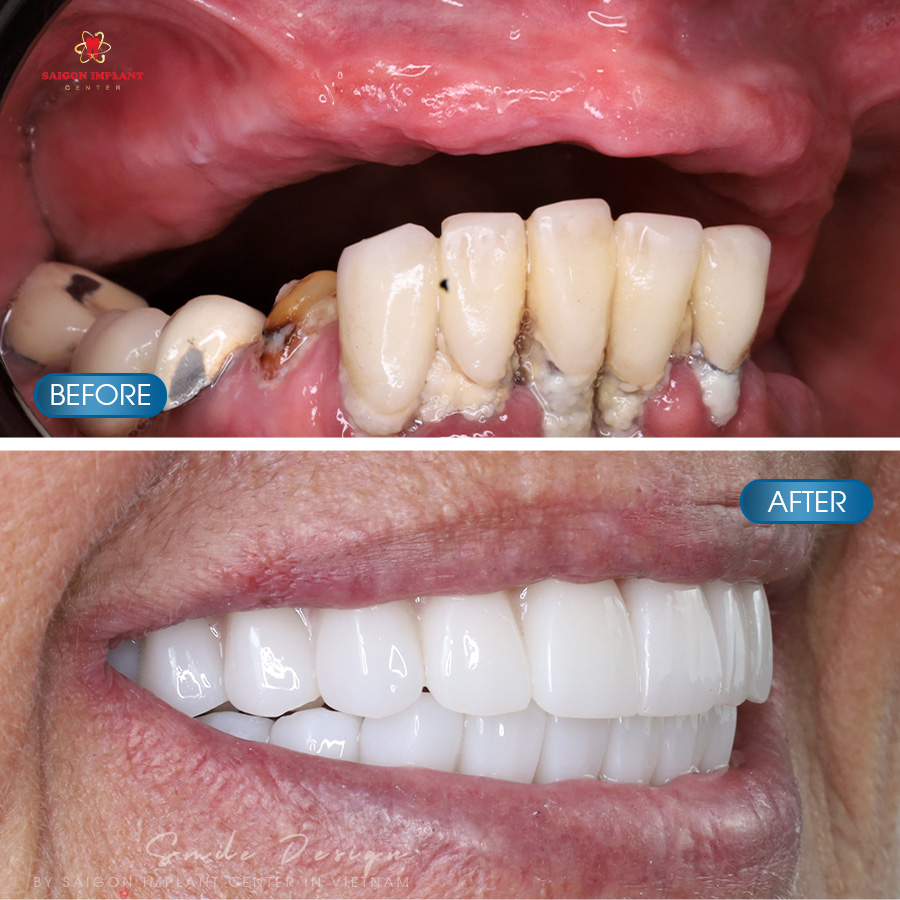
For patients exploring Vietnam as part of this research, Saigon Implant Center in Ho Chi Minh City is a clinic worth including in that comparison. The practice combines internationally trained implant specialists with modern 3D diagnostic imaging and a structured, transparent approach to treatment planning – the exact combination of factors that determines genuine value, rather than just a low number on a quote. Reviewing how a clinic communicates its process, from initial imaging through the final restoration, is one of the most reliable ways to judge whether a given cost actually represents good value.
Final Thoughts
There’s no single honest answer to “how much do dental implants cost,” because the number depends on the implant system, the complexity of the case, the technology involved, the surgeon’s expertise, and where in the world the treatment takes place. The most useful thing a patient can do isn’t to chase the lowest quote – it’s to understand what’s driving each number, and to evaluate clinics on the factors that actually determine whether that cost represents real, lasting value.
Contact information for Saigon Implant Center:
Address: 119 Yersin, Ben Thanh Ward, Ho Chi Minh City, Vietnam
Hotline: (+84) 973 199 986
Email: clinic@saigoncenterdental.com
Working Time: Mon – Sat: 08:00 – 18:00 | Sun: 08:00 – 16:00
Website: https://saigonimplant.com/
